bluename
 How to Care for Single and Double Kalanchoe? Practical Cultivation Tips
Are you struggling to keep your single and double Kalanchoe plants thriving? Many plant enthusiasts find themselves confused about the different care requirements between these two varieties. Whether you're dealing with the classic single-petaled blooms or the extravagant double-flowered types, understanding their specific needs is crucial for long-term success.
Understanding Kalanchoe Varieties
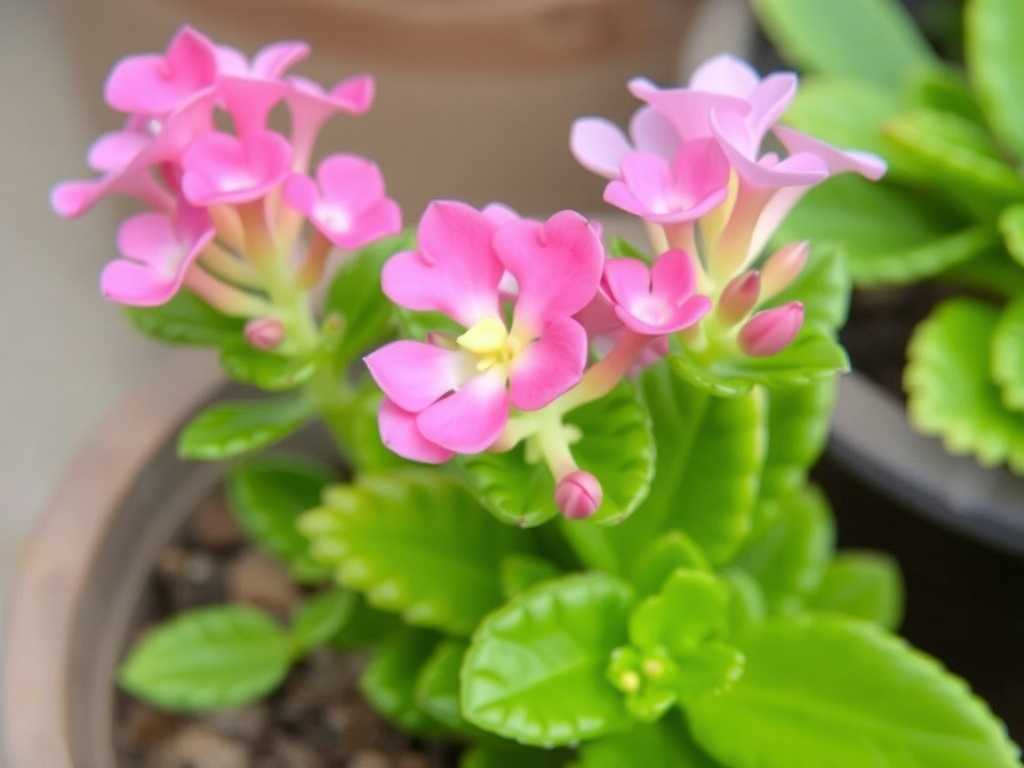
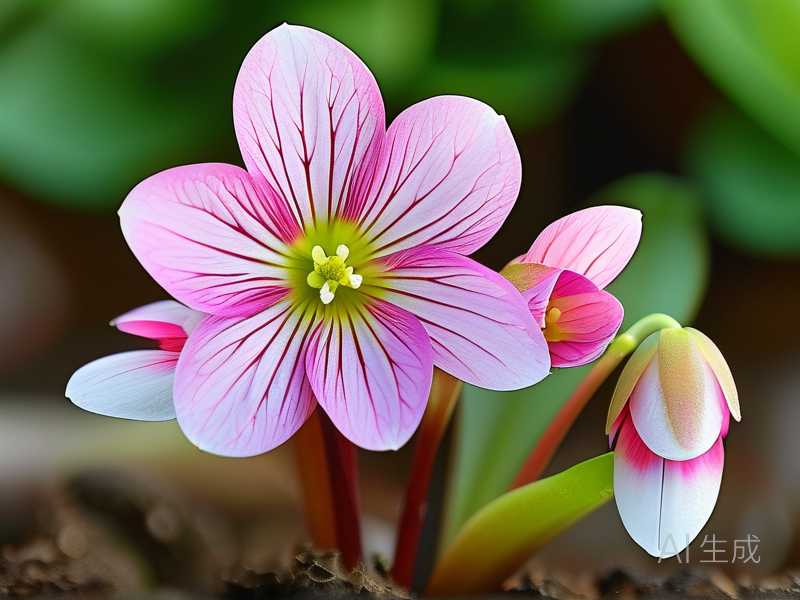
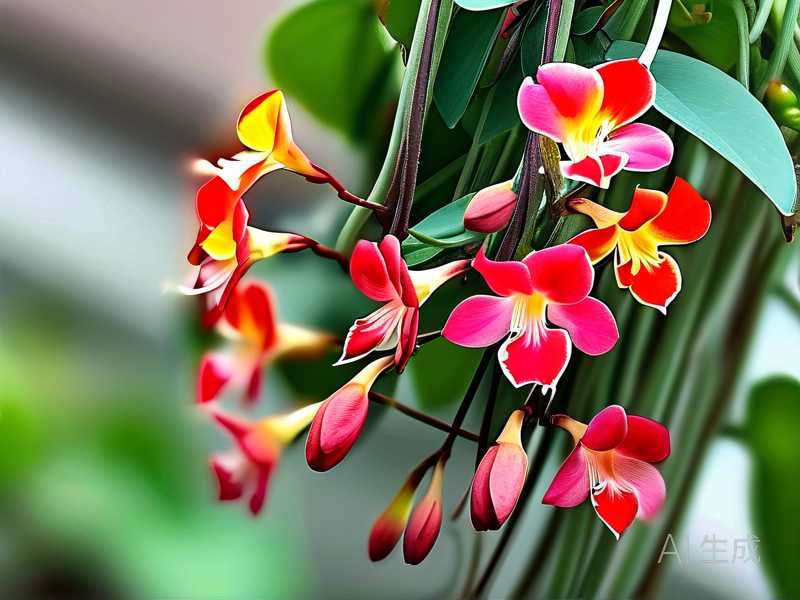
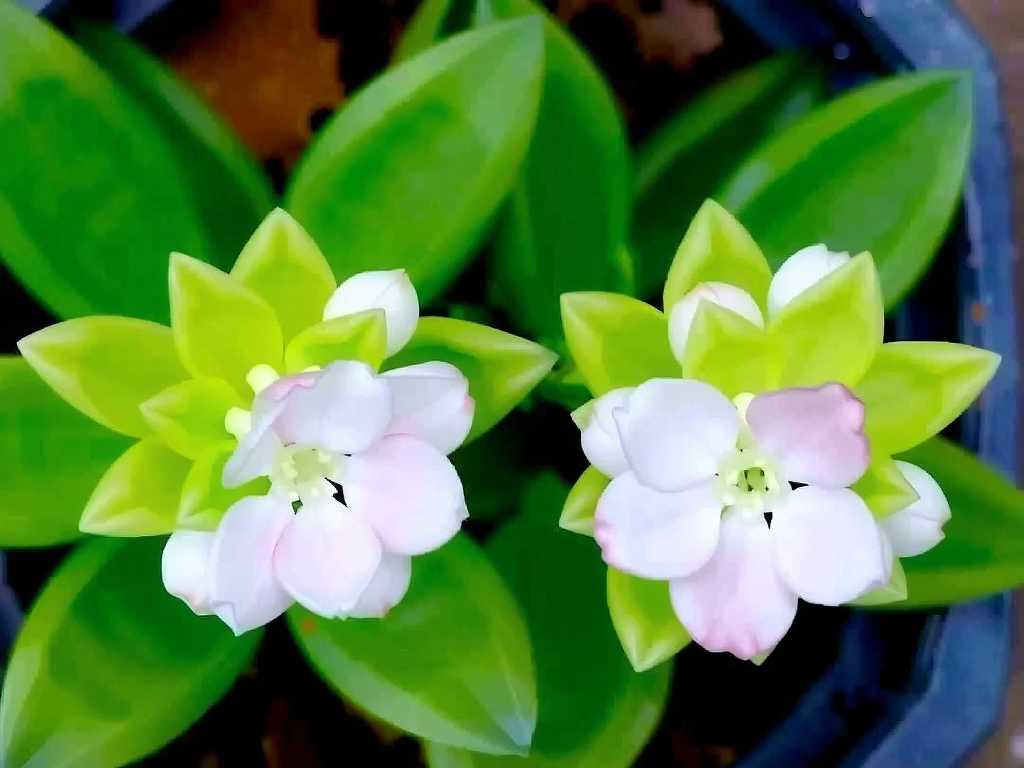
Single Kalanchoe features four-petaled flowers arranged in clusters. These traditional varieties bloom abundantly with minimal care. Double Kalanchoe, sometimes called double flowered Kalanchoe, produces rose-like blooms with multiple layers of petals. Both types belong to the succulent family and share similar basic requirements.
Light Requirements for Optimal Growth
Kalanchoe plants need bright, indirect light to flourish. Place them near east or west-facing windows where they can receive 4-6 hours of sunlight daily. Direct afternoon sun can scorch their leaves, especially for double varieties which tend to be more sensitive. During winter months, when sunlight is limited, consider using grow lights to maintain their vibrant colors.
According to Dr. Elena Martinez from the International Succulent Society, "Kalanchoe plants subjected to insufficient light will develop leggy growth and reduced flowering. Rotate your plants weekly to ensure even exposure."
Watering Techniques That Prevent Root Rot
The most common mistake in Kalanchoe care is overwatering. These succulents store water in their fleshy leaves, making them drought-tolerant. Water thoroughly only when the top inch of soil feels dry to the touch. For single Kalanchoe, this typically means watering every 10-14 days, while double varieties may need slightly more frequent watering due to their denser foliage.
Always use pots with drainage holes and empty the saucer beneath after watering. During dormancy periods, reduce watering frequency by half to prevent soil saturation.
Soil and Fertilization Needs
A well-draining soil mix is essential for both single and double Kalanchoe care. Use a commercial cactus mix or create your own blend with equal parts potting soil, perlite, and coarse sand. This combination ensures proper drainage while providing adequate nutrients.
Feed your plants with a balanced, water-soluble fertilizer diluted to half strength during the growing season. Apply monthly from spring through early fall. Avoid fertilizing during winter when plants are resting.
Temperature and Humidity Preferences
Kalanchoe plants prefer temperatures between 60-85°F (15-29°C). Protect them from drafts and sudden temperature changes, which can cause bud drop in double varieties. Average household humidity is generally sufficient, though they appreciate occasional misting during dry winter months.
Propagation Methods for Both Varieties
Single Kalanchoe can be easily propagated from leaf cuttings or offsets. Double varieties often respond better to stem cuttings. Take 3-4 inch stem cuttings in spring, allow them to callous for 2-3 days, then plant in moist potting mix. Both types typically root within 3-4 weeks under proper conditions.
Encouraging Repeat Blooming
After the initial flowering period, deadhead spent blooms to encourage new buds. To trigger reblooming, provide 14-16 hours of complete darkness daily for 6 weeks. This simulated winter period signals the plant to produce new flowers. Resume normal light conditions once bud formation begins.
Pest Management and Disease Prevention
Watch for common pests like mealybugs and aphids, particularly on double Kalanchoe's dense foliage. Treat infestations promptly with insecticidal soap or neem oil. Prevent fungal diseases by avoiding water on leaves and ensuring good air circulation around plants.
Seasonal Care Adjustments
Spring and summer are active growing seasons for both single and double Kalanchoe. Increase watering frequency slightly and maintain regular fertilization. In fall, begin reducing water and stop fertilizing to prepare plants for winter rest. During winter, protect plants from cold windows and heating vents.
Common Questions Answered
Why are my Kalanchoe leaves turning yellow? Overwatering is the most likely cause. Check soil moisture and adjust your watering schedule accordingly. Ensure proper drainage and consider repotting if soil remains soggy.
Can I grow Kalanchoe outdoors? In USDA zones 10-11, Kalanchoe can thrive outdoors year-round. In cooler climates, move plants outside during summer but bring indoors before temperatures drop below 50°F (10°C).
How long do Kalanchoe plants typically live? With proper care, both single and double Kalanchoe can live for several years. Many gardeners treat them as seasonal plants, but they can be maintained as perennial houseplants with appropriate seasonal care routines.
Successful Kalanchoe cultivation requires understanding the subtle differences between single and double varieties while mastering their basic care requirements. Consistent light exposure, careful watering, and proper seasonal adjustments will keep your plants healthy and blooming year after year. Remember that patience and observation are your most valuable tools in developing a thriving Kalanchoe collection.